
Building the Foundation for Digital Transformation
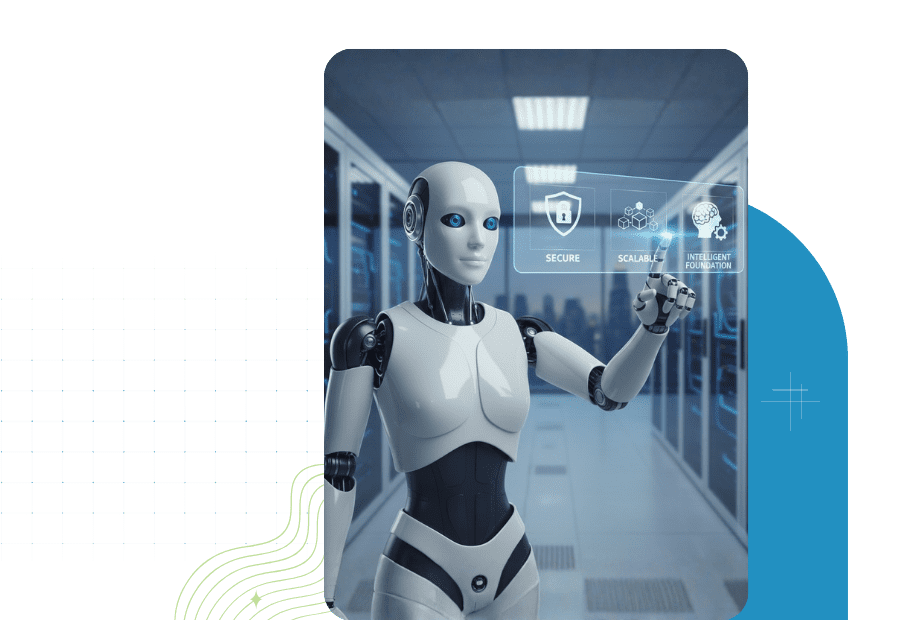
As enterprises scale, traditional IT infrastructure often struggles to keep pace with evolving demands, rising data volumes, and the need for global availability. The shift to cloud is no longer just about cost savings—it’s about building a secure, scalable, and intelligent foundation that supports innovation.











Key Capabilities of Next-Gen Cloud Infrastructure
Backup Infotech’s Next-Gen Cloud Infrastructure solutions empower enterprises with flexible architectures, automation, and built-in resilience. Whether you’re migrating workloads, modernizing legacy systems, or creating cloud-native applications, we deliver infrastructure that grows with your business.
Cloud Migration & Modernization
- Seamless migration of workloads from legacy systems to cloud platforms.
- Refactor applications into cloud-native architectures for better performance.
- Minimize downtime and data loss with phased, secure migration strategies.
Multi-Cloud & Hybrid Architectures
- Design cloud strategies that combine public, private, and on-premise resources.
- Avoid vendor lock-in with interoperable, multi-cloud environments.
- Optimize costs and performance with workload-specific deployments.
Cloud-Native Development
- Build applications using containers, microservices, and serverless computing.
- Enable rapid scaling and faster time-to-market.
- Support DevOps pipelines for continuous delivery.
Intelligent Automation
- Automate provisioning, scaling, and monitoring with Infrastructure-as-Code (IaC).
- Self-healing infrastructure to reduce downtime.
- AI-driven load balancing and resource allocation.
Security & Compliance
- End-to-end encryption, identity & access management, and automated patching.
- Compliance frameworks for HIPAA, GDPR, ISO, and industry-specific standards.
- Continuous monitoring to detect and respond to threats in real time.
Performance & Cost Optimization
- Cloud cost analytics to avoid waste and right-size resources.
- Global content delivery networks (CDNs) for faster user experiences.
- Monitoring tools for latency, throughput, and availability.
Industry Applications

Healthcare
HIPAA-compliant cloud hosting, secure patient data exchange, telemedicine platforms.

Finance & Banking
Cloud-native fraud detection, secure transaction processing, hybrid cloud for regulatory compliance.

Retail & eCommerce
Elastic scaling for seasonal demand, AI-driven personalization, global delivery optimization.
IT & SaaS Providers
Multi-tenant platforms, containerized services, and rapid DevOps deployments.
Our Approach to Next-Gen Cloud
Assessment & Strategy
- Review current infrastructure, workloads, and business goals.
- Identify the best-fit cloud model: public, private, hybrid, or multi-cloud.
Architecture Design
- Define infrastructure blueprint, automation tools, and security frameworks.
- Plan integrations with ERP, CRM, data warehouses, and existing apps.
Migration & Deployment
- Execute phased migrations with minimal downtime.
- Containerize applications for scalability and resilience.
Automation & Optimization
- Implement Infrastructure-as-Code, CI/CD pipelines, and monitoring tools.
- Optimize performance and costs with AI-driven resource management.
Security & Compliance
- Deploy identity management, encryption, and intrusion detection systems.
- Ensure compliance with global and industry-specific regulations.
Continuous Improvement
- Monitor workloads, gather insights, and refine infrastructure over time.
- Enable scaling as your business grows and new technologies emerge.
Results You Can Expect
- 30–50% faster deployment of applications with cloud-native platforms.
- Up to 40% cost savings through optimized resource allocation.
- Higher availability with 99.99% uptime guarantees.
- Reduced security incidents with automated compliance and monitoring.
- Greater agility for innovation and scaling across geographies.
Why Choose Backup Infotech
- Proven expertise in cloud migration, hybrid architectures, and DevOps automation.
- Partnerships with leading cloud providers (AWS, Azure, Google Cloud).
- Industry-specific experience in healthcare, finance, retail, and SaaS.
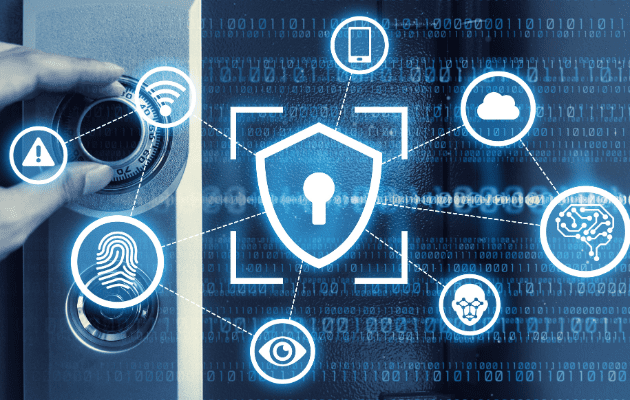
- Security-first approach with compliance baked into every layer.
- Scalable, future-ready cloud solutions designed for long-term growth.
Success Stories
“Thanks to Backup Infotech’s telemedicine platform, Clinic X reduced patient no-shows by 40% and saw patient satisfaction ratings jump by 25%.”
“The analytics dashboard they built helped us identify inefficiencies in our emergency department workflow, we reduced average waiting time by 20 minutes across the board.”
Work With an Award-Winning IT Team
Let’s build secure, scalable, and future-ready IT solutions together.





Meet Backup Infotech
A leading IT company fueled by technology with 3 million hours of combined expert experience.
FAQs about next gen cloud infrastructure services
Learn more about our next gen cloud infrastructure services:
What is next-gen cloud infrastructure and how does it work?
Next-gen cloud infrastructure uses modern cloud technology to run websites, apps, and systems more efficiently. It works by using scalable servers, automation, and secure networks.
Why do businesses move to next-gen cloud infrastructure?
Businesses move to improve speed, security, and flexibility. Cloud systems allow them to scale up or down based on demand. It also reduces the cost of maintaining physical servers.
How does next-gen cloud infrastructure help app development?
It provides a strong and flexible base for building and running applications. Developers can deploy updates faster and manage workloads easily. This results in better performance and smoother user experiences.
What services are usually included in cloud infrastructure solutions?
These services include cloud setup, architecture planning, migration, and optimization. They also cover security, monitoring, and performance management. All components work together to keep systems stable and efficient.
How does cloud infrastructure improve data security?
Modern cloud infrastructure uses advanced security tools and access controls. Data is protected through encryption and continuous monitoring. This reduces the risk of data breaches and system failures.